
Artistic Taste and Social Fashion
In Search of Lost TimeChanging judgments about music, painting, and literature reveal that aesthetic prestige is shaped by habit, social authority, and the shifting needs of each generation.
increasing Bearing strength in each event
 decreasing
Bearing strength in each eventdecreasingElstir’s Reframing

Learning to See
An altered gaze
Elstir teaches the narrator to attend to visual relationships he once ignored. Landscape and ordinary objects become newly available to perception.
Art as transformation
The artist does not merely copy what is seen. An inner vision reorganizes the world into a form that others can learn to see.
The Cambremer Dispute
Taste as Position
Conflicting judgments
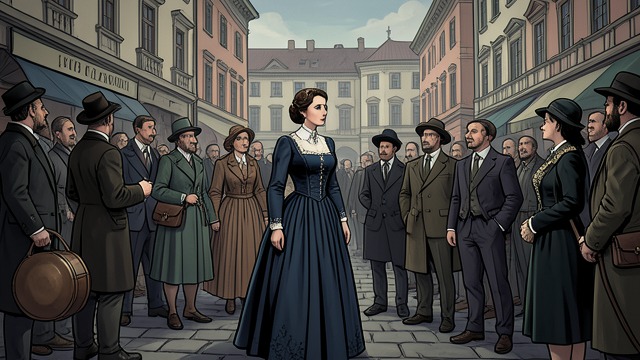
Mme de Cambremer-Legrandin praises modern music and painting while dismissing older masters. Her opinions track the current intellectual fashion.
A social performance
Taste becomes a means of displaying education and distinction. The argument exposes how aesthetic conviction can be sincere and socially imitative at once.
Chopin Rediscovered
A Reversal of Prestige
A shifting canon
The dowager Marquise de Cambremer continues to admire Chopin while her daughter-in-law privileges newer composers. A hint about Debussy’s admiration begins to alter the younger woman’s view.
Fashion in motion
The episode shows artistic reputation changing through schools, critics, and imitation. Yesterday’s outdated work may become tomorrow’s sign of refinement.
Elstir’s Estrangement
The Salon Rewrites an Artist
Former intimacy
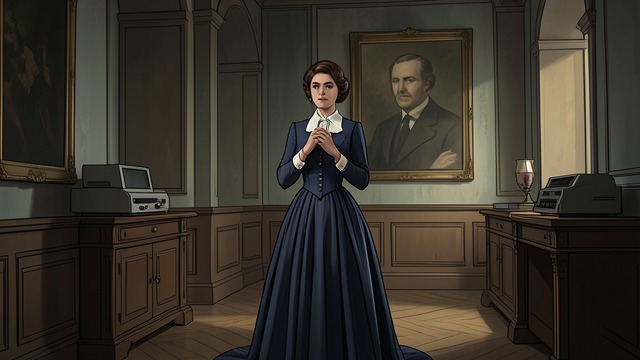
Madame Verdurin remembers Elstir as a gifted member of her circle. She now claims that he declined after leaving the salon.
Reputation as retaliation
Her judgment changes with the relationship. The salon’s former praise becomes a weapon against an artist who has become independent.
The Work Beyond Its Moment
Art and Social Time
Changing audiences
Works gain and lose prestige as generations adopt new theories and needs. A fashionable judgment may reveal the age more than the artwork.
A lasting distinction
The narrator separates artistic perception from social approval, without pretending that the two are entirely independent. Taste remains historically changeable.
During the narrator’s earlier acquaintance with Elstir
During the first dinner at La Raspelière
During the Cambremers’ conversation at Balbec
During the dinner at La Raspelière
During later reflections on the Verdurin salon
